32 32
33**Important**: Enabling inline citations does not guarantee that the model will cite sources on every answer. The model decides when and where to include citations based on the context and nature of the query.33**Important**: Enabling inline citations does not guarantee that the model will cite sources on every answer. The model decides when and where to include citations based on the context and nature of the query.
34 34
35### Enabling Inline Citations35### Configuring Inline Citations
36 36
37Inline citations are returned by default with the Responses API. For the xAI SDK, you can explicitly request them with `include=["inline_citations"]`:37Inline citation behavior differs between the **Responses API** and the **xAI Python SDK** (gRPC chat API).
38 38
39```bash customLanguage="bash"39The **Responses API** behaviour applies to the following clients:
40
41* cURL against `/v1/responses`
42* Python (OpenAI SDK)
43* JavaScript (AI SDK via `xai.responses()`)
44* JavaScript (OpenAI SDK)
45
46| | Responses API(cURL, Python/JS OpenAI SDK, JS AI SDK) | xAI Python SDK |
47|---|---|---|
48| **Default** | Enabled — response text may include `[[N]](url)` links without extra configuration | Disabled — omit `include`, or do not pass `"inline_citations"` |
49| **Enable** | Enabled by default, no additional action needed. | Pass `include=["inline_citations"]` to the `chat.create()` method |
50| **Disable** | Pass `include=["no_inline_citations"]` | Disabled by default |
51
52When inline citations are disabled, the response text will not contain any `[[N]](url)` markdown links. The `annotations` field on `output_text` content blocks may still be present, but annotations only list sources encountered during search — they will not have positional references into the response text.
53
54#### Enabled (default for Responses API; opt-in for xAI Python SDK)
55
56```bash customLanguage="bash" highlightedLines="9"
40curl https://api.x.ai/v1/responses \57curl https://api.x.ai/v1/responses \
41 -H "Content-Type: application/json" \58 -H "Content-Type: application/json" \
42 -H "Authorization: Bearer $XAI_API_KEY" \59 -H "Authorization: Bearer $XAI_API_KEY" \
45 "input": [62 "input": [
46 {"role": "user", "content": "What is xAI?"}63 {"role": "user", "content": "What is xAI?"}
47 ],64 ],
48 "tools": [{"type": "web_search"}]65 "tools": [{"type": "web_search"}] // inline citations are enabled by default
49}'66}'
50```67```
51 68
52```python customLanguage="pythonXAI"69```python customLanguage="pythonXAI" highlightedLines="14"
53import os70import os
54 71
55from xai_sdk import Client72from xai_sdk import Client
63 web_search(),80 web_search(),
64 x_search(),81 x_search(),
65 ],82 ],
66 include=["inline_citations"], # Enable inline citations83 include=["inline_citations"], # Enable inline citations (opt-in for xAI Python SDK)
67)84)
68 85
69chat.append(user("What is xAI?"))86chat.append(user("What is xAI?"))
73print(response.content)90print(response.content)
74```91```
75 92
76```python customLanguage="pythonOpenAISDK"93```python customLanguage="pythonOpenAISDK" highlightedLines="15"
77import os94import os
78from openai import OpenAI95from openai import OpenAI
79 96
88 {"role": "user", "content": "What is xAI?"}105 {"role": "user", "content": "What is xAI?"}
89 ],106 ],
90 tools=[107 tools=[
91 {"type": "web_search"},108 {"type": "web_search"}, # inline citations are enabled by default
92 ],109 ],
93)110)
94 111
100 print(content.text)117 print(content.text)
101```118```
102 119
103```javascript customLanguage="javascriptAISDK"120```javascript customLanguage="javascriptAISDK" highlightedLines="8"
104import { xai } from '@ai-sdk/xai';121import { xai } from '@ai-sdk/xai';
105import { generateText } from 'ai';122import { generateText } from 'ai';
106 123
108 model: xai.responses('grok-4.3'),125 model: xai.responses('grok-4.3'),
109 prompt: 'What is xAI?',126 prompt: 'What is xAI?',
110 tools: {127 tools: {
111 web_search: xai.tools.webSearch(),128 web_search: xai.tools.webSearch(), // inline citations are enabled by default
112 },129 },
113});130});
114 131
119console.log('Sources:', sources);136console.log('Sources:', sources);
120```137```
121 138
122```javascript customLanguage="javascriptOpenAISDK"139```javascript customLanguage="javascriptOpenAISDK" highlightedLines="13"
123import OpenAI from 'openai';140import OpenAI from 'openai';
124 141
125const client = new OpenAI({142const client = new OpenAI({
132 input: [149 input: [
133 { role: 'user', content: 'What is xAI?' }150 { role: 'user', content: 'What is xAI?' }
134 ],151 ],
135 tools: [{ type: 'web_search' }],152 tools: [{ type: 'web_search' }], // inline citations are enabled by default
136});153});
137 154
138// Get the message with inline citations155// Get the message with inline citations
147}164}
148```165```
149 166
150### Markdown Citation Format167#### Disabled (opt-out for Responses API; default for xAI Python SDK)
151
152When inline citations are enabled, the model will insert markdown-style citation links directly into the response text:
153
154```output
155The latest announcements from xAI, primarily from their official X account (@xai) and website (x.ai/news), date back to November 19, 2025.[[1]](https://x.ai/news/)[[2]](https://x.ai/)[[3]](https://x.com/i/status/1991284813727474073)
156```
157
158When rendered as markdown, this displays as clickable links:
159
160> The latest announcements from xAI, primarily from their official X account (@xai) and website (x.ai/news), date back to November 19, 2025.[\[1\]](https://x.ai/news/)[\[2\]](https://x.ai/)[\[3\]](https://x.com/i/status/1991284813727474073)
161
162The format is `[[N]](url)` where:
163
164* `N` is the sequential display number for the citation **starting from 1**
165* `url` is the source URL
166
167**Citation numbering**: Citation numbers always start from 1 and increment sequentially. If the same source is cited again later in the response, the original citation number will be reused.
168
169### Image Embeds
170
171When `enable_image_search` is enabled on the `web_search` tool, Grok may embed image results as Markdown images instead of numbered text citations:
172
173```output
174Here are images of Starship on the launch pad:
175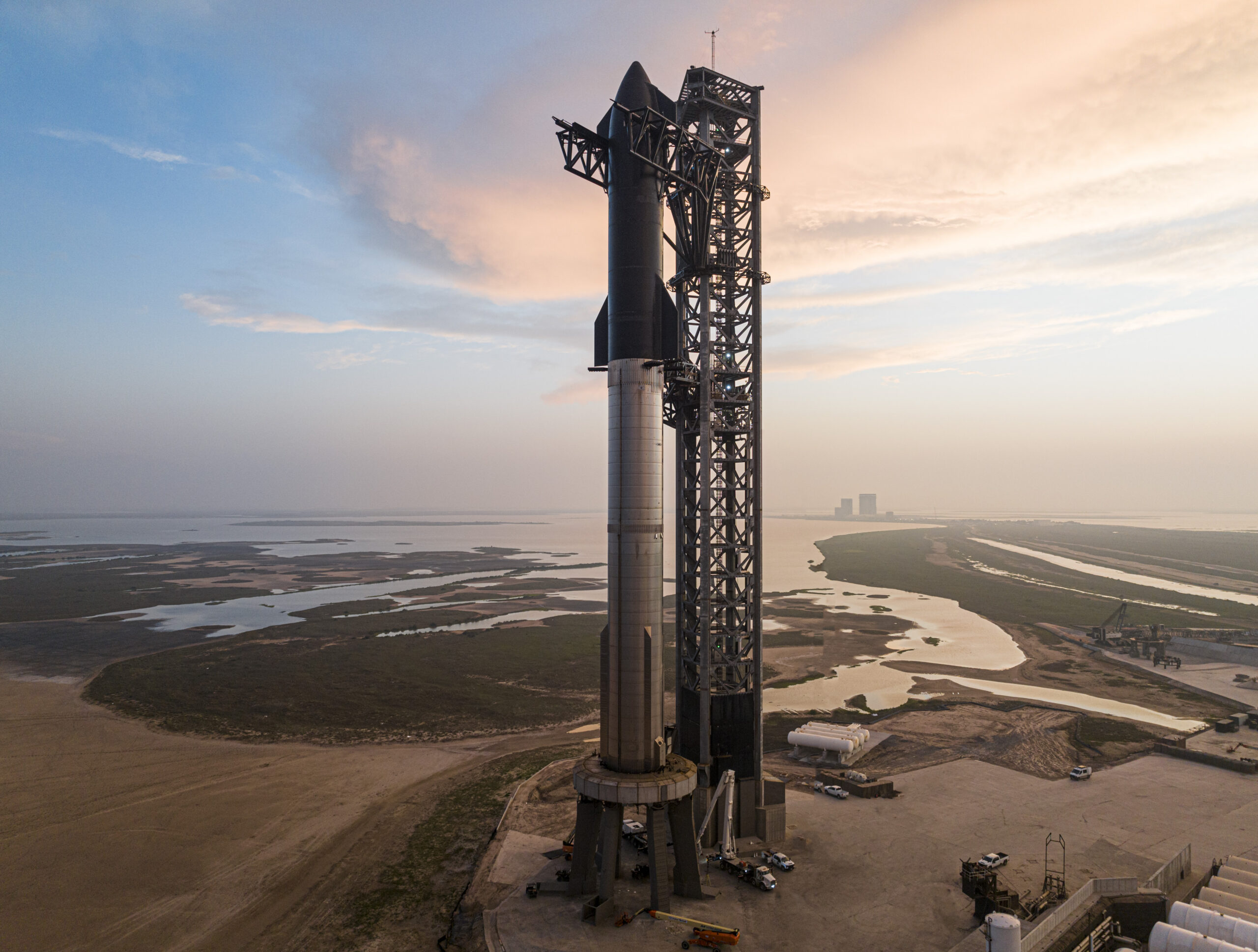
176```
177
178The format is `` where:
179
180* `alt` is a short description or title for the image
181* `url` is the image source URL
182
183### Disabling Inline Citations
184
185To disable inline citations in the Responses API, add `"no_inline_citations"` to the `include` field. For the xAI SDK, simply omit `"inline_citations"` from the `include` field (inline citations are opt-in for the xAI SDK).
186
187When disabled, the response text will not contain any `[[N]](url)` markdown links. The `annotations` field on `output_text` content blocks will still be present, but the annotations will only represent the sources that the tool encountered during the search — they will not have positional references into the response text.
188 168
189```python customLanguage="pythonOpenAISDK" highlightedLines="17"169```python customLanguage="pythonOpenAISDK" highlightedLines="17"
190import os170import os
256}'236}'
257```237```
258 238
239### Markdown Citation Format
240
241When inline citations are enabled, the model will insert markdown-style citation links directly into the response text:
242
243```output
244The latest announcements from xAI, primarily from their official X account (@xai) and website (x.ai/news), date back to November 19, 2025.[[1]](https://x.ai/news/)[[2]](https://x.ai/)[[3]](https://x.com/i/status/1991284813727474073)
245```
246
247When rendered as markdown, this displays as clickable links:
248
249> The latest announcements from xAI, primarily from their official X account (@xai) and website (x.ai/news), date back to November 19, 2025.[\[1\]](https://x.ai/news/)[\[2\]](https://x.ai/)[\[3\]](https://x.com/i/status/1991284813727474073)
250
251The format is `[[N]](url)` where:
252
253* `N` is the sequential display number for the citation **starting from 1**
254* `url` is the source URL
255
256**Citation numbering**: Citation numbers always start from 1 and increment sequentially. If the same source is cited again later in the response, the original citation number will be reused.
257
258### Image Embeds
259
260When `enable_image_search` is enabled on the `web_search` tool, Grok may embed image results as Markdown images instead of numbered text citations:
261
262```output
263Here are images of Starship on the launch pad:
264
265```
266
267The format is `` where:
268
269* `alt` is a short description or title for the image
270* `url` is the image source URL
271
259## Accessing Structured Inline Citation Data272## Accessing Structured Inline Citation Data
260 273
261Structured inline citation data provides precise positional information about each citation in the response text.274Structured inline citation data provides precise positional information about each citation in the response text.
262 275
263### Response Format276### Response Format
264 277
278When inline citations are enabled, each `output_text` content block includes an `annotations` array with structured citation metadata (URL, character offsets, and label):
279
280```json highlightedLines="16-45"
281{
282 "created_at": 1781829888,
283 "completed_at": 1781829888,
284 "id": "5808284d-ae14-9981-9289-73515f67ebda",
285 "max_output_tokens": null,
286 "model": "grok-4.3",
287 "object": "response",
288 "output": [
289 ...
290 {
291 "content": [
292 {
293 "type": "output_text",
294 "text": "**xAI is an artificial intelligence company founded by Elon Musk in March 2023.** Its stated mission is to \"understand the universe\" by building advanced AI systems that accelerate human scientific discovery.[[1]](https://x.ai/company)\n\n### Key Details\n- **Flagship product**: Grok, a family of frontier AI models focused on reasoning, code, voice, image generation, and video. These are trained on massive infrastructure, including what the company describes as the world's largest supercluster (Colossus). Grok powers chatbots, APIs, and multimodal tools available via a unified API.[[2]](https://x.ai/)\n- **Current status (as of mid-2026)**: xAI operates as a subsidiary of SpaceX following an acquisition in February 2026. It is also connected to the X social platform (formerly Twitter), which xAI effectively became the parent of in 2025. The company has expanded into data centers and enterprise AI offerings (e.g., integrations with Amazon Bedrock and Databricks).[[3]](https://en.wikipedia.org/wiki/XAI_(company))\n- **Headquarters and team**: Based in the Stanford Research Park in Palo Alto, California. It was initially founded with a team of AI researchers and is led by Elon Musk as CEO.\n\nxAI positions itself as building maximally truth-seeking AI, distinct from other labs in its approach. Its official website (x.ai) highlights developer tools, API access, and ongoing model releases. Note that there is an unrelated blockchain/gaming project called Xai (xai.games), but the primary reference to \"xAI\" in this context is Musk's AI venture.[[4]](https://xai.games/)\n\nFor the latest updates, check x.ai or @xai on X.",
295 "logprobs": [],
296 "annotations": [
297 {
298 "type": "url_citation",
299 "url": "https://x.ai/company",
300 "start_index": 208,
301 "end_index": 235,
302 "title": "1"
303 },
304 {
305 "type": "url_citation",
306 "url": "https://x.ai/",
307 "start_index": 585,
308 "end_index": 605,
309 "title": "2"
310 },
311 {
312 "type": "url_citation",
313 "url": "https://en.wikipedia.org/wiki/XAI_(company)",
314 "start_index": 972,
315 "end_index": 1022,
316 "title": "3"
317 },
318 {
319 "type": "url_citation",
320 "url": "https://xai.games/",
321 "start_index": 1555,
322 "end_index": 1580,
323 "title": "4"
324 }
325 ]
326 }
327 ],
328 "id": "msg_5808284d-ae14-9981-9289-73515f67ebda",
329 "role": "assistant",
330 "type": "message",
331 "status": "completed"
332 }
333 ],
334 "parallel_tool_calls": true,
335 "previous_response_id": null,
336 "reasoning": {
337 "effort": "low",
338 "summary": "detailed"
339 },
340 ...
341}
342```
343
265Each citation annotation contains:344Each citation annotation contains:
266 345
267| Field | Type | Description |346| Field | Type | Description |
